Would You Be Brave Enough to Sign Your Name to the Declaration of Independence?
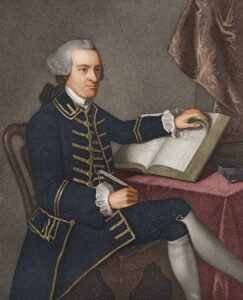 Portrait of John Bernard Hancock Courtesy of History on the Net
When was the last time you signed a petition or a letter of support or clicked a thumbs up on an online message? Did you want a street light at the end of your block, or want the City Council to approve a greenbelt? Did your signature cost you any money, take much time, endanger your safety?
Not so with the 56 men who signed the Declaration of Independence, which set the stage for a new nation, the first constitutional republic in the world, and the first experiment in self-government. The minute they signed their names, they became wanted men – if captured by the British, they would be tried for treason and hung; nearly all 56 men saw their fortunes devastated, and their families scattered into hiding for safety. Their signatures cost them dearly.
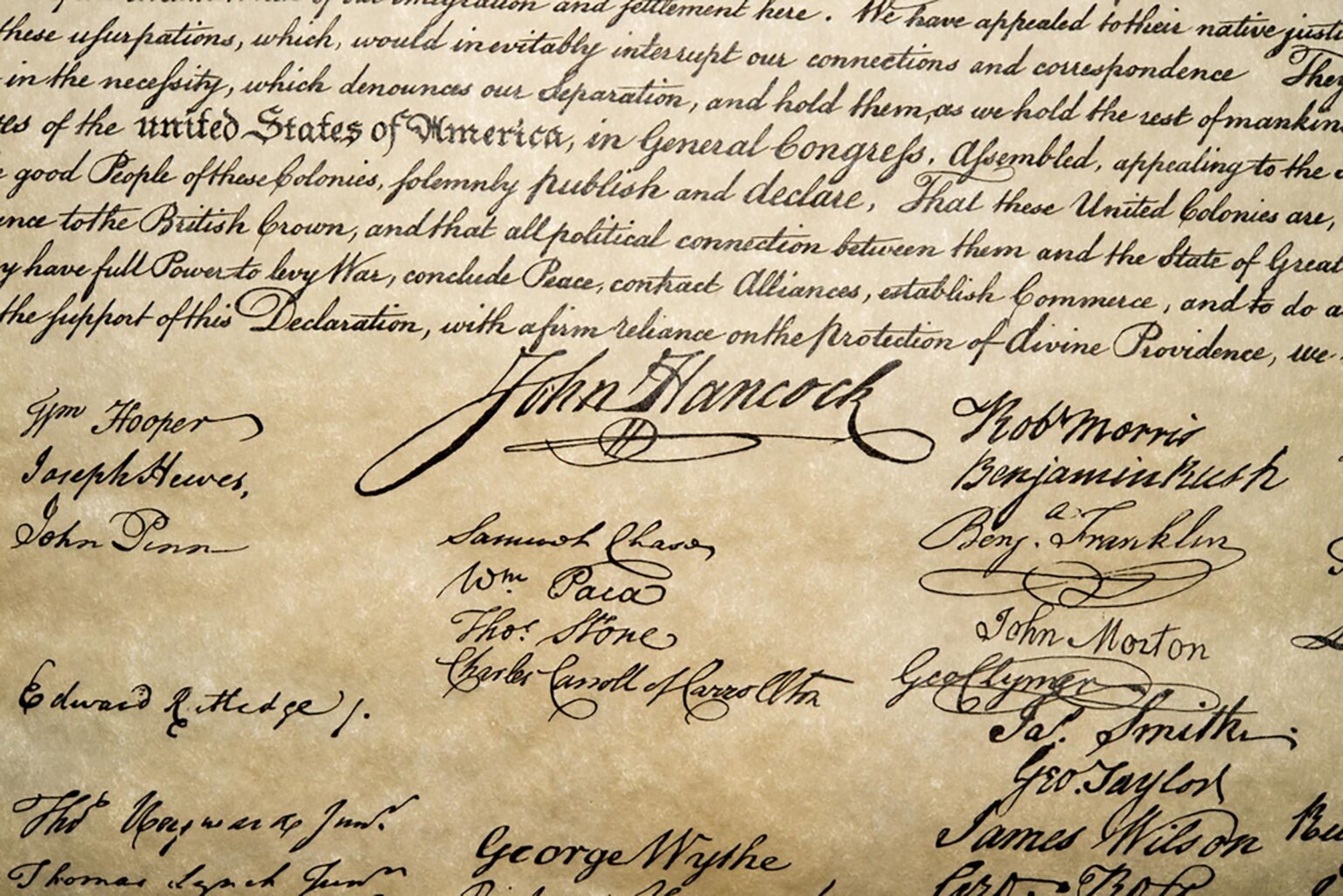
Of the 56 men gathered together in 1776, most were distinguished and proven leaders from their respective colonies. Some were born into wealth, some self-made. Some were educated in the best colleges, some were self-taught. Among them were lawyers, ministers, shippers, merchants, doctors, and farmers. Eight were foreign born – from the British Isles. Except for one Catholic and a few Deists, most were Protestants. They ranged in age from 26 to 70; two were bachelors and the rest had an average of six offspring.
Fourteen of them represented New England Colonies (Massachusetts, Rhode Island, Connecticut, New Hampshire); twenty-one represented the Middle Colonies (New York, New Jersey, Pennsylvania, Delaware); twenty-one others represented the Southern Colonies (Maryland, Virginia, North Carolina, South Carolina, Georgia).
None were ever repaid for their financial loses, none had their burned down homes rebuilt by a thankful country, none received a life time pension. They signed away their comfortable existences, their safety, their money, their lives for an idea, and trusted that future leaders and citizens would do the same.

Ben Franklin advised his 55 colleagues that “We must all hang together, or most assuredly, we will all hang separately.”
The 4th of July, Independence Day, has been a federal holiday since 1941, but celebrations date back to the American Revolution. Written in longhand mostly by Thomas Jefferson and adopted by delegates from the 13 colonies, The Declaration of Independence was copied and read to the public in Philadelphia, and sent out to the other colonies for public readings.
Celebrations began immediately over the news of INDEPENDENCE!!!
John Adams wrote to his wife Abigail, “this day will be celebrated by succeeding Generations, as the great anniversary Festival”, and that the celebration should include “Pomp and parade…games, sports, guns, bells, bonfires and illuminations from one End of this continent to the other.”
In 1776, some colonists celebrated by holding mock funerals for King George III. Muskets and cannons were fired and the Declaration of Independence was read to all the crowds. As for hot dogs and ice cream…those came along later.